LionsHearingPalmyra_HR-76

What is Tinnitus

Tinnitus is not a condition itself, but a symptom of changes within the auditory system. It is commonly experienced as a ringing, buzzing, humming or whooshing sound that others cannot hear.

It may be constant or intermittent, and can occur in one or both ears. For some people, tinnitus is mild and only noticeable in quiet environments. For others, it can be more persistent and disruptive.

There are a range of factors that can contribute to tinnitus, and in many cases, more than one cause may be involved.

Hearing loss

The most common cause of tinnitus, particularly age-related or noise-induced hearing loss.

Exposure to loud noise

Sudden or prolonged exposure to loud environments can trigger or worsen tinnitus.

Ear conditions

Issues such as earwax build-up, infections or middle ear problems.

Medications

Some medications may contribute to or worsen tinnitus symptoms.

Stress and fatigue

Tinnitus can become more noticeable during periods of stress or poor sleep.

How to Manage Tinnitus

At Lions Hearing Clinic, we take a personalised approach to tinnitus management.
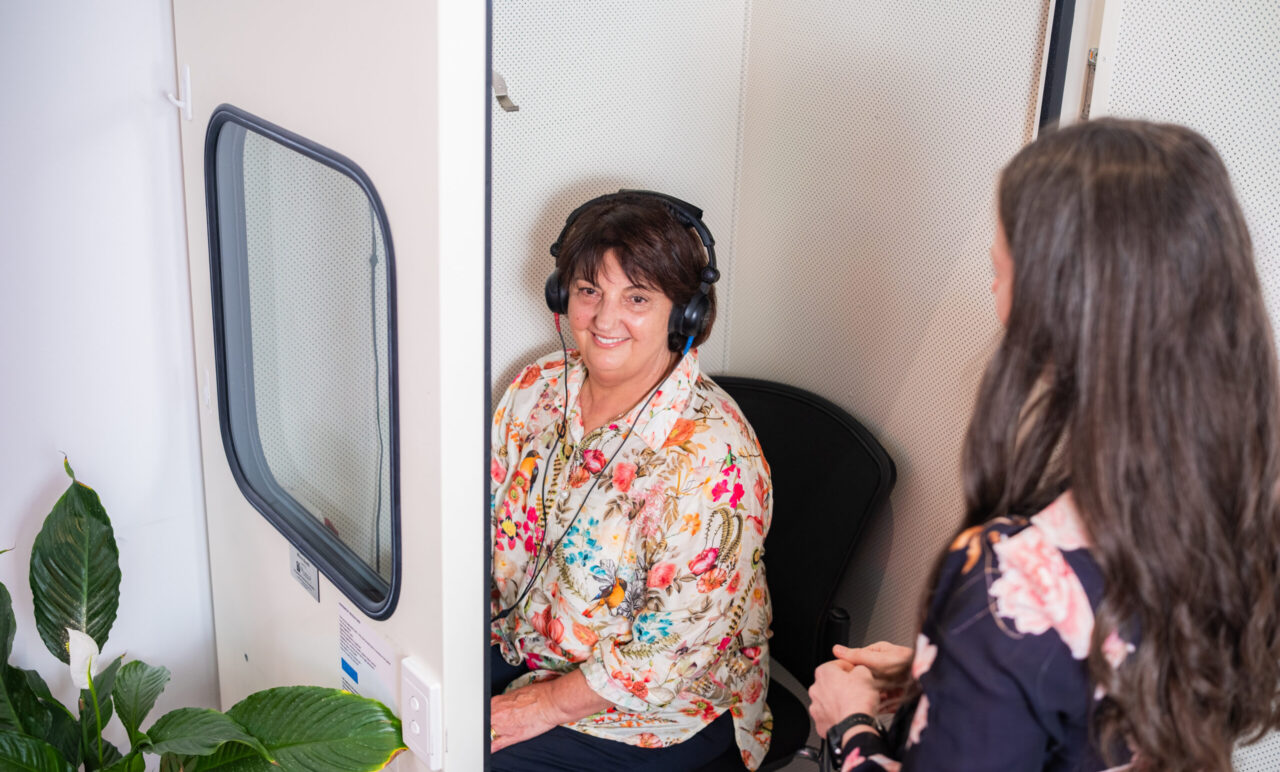
A hearing assessment is an important first step in tinnitus management. It can identify any associated hearing loss and help your clinician recommend appropriate strategies to manage your tinnitus. If further investigation is needed, Lions Hearing Clinics can facilitate a referral to a specialist
A Lions Hearing Clinic audiologist can assess your hearing, discuss your tinnitus and recommend management strategies tailored to your needs. If hearing loss is also identified, they can provide appropriate hearing support and rehabilitation.
There is no single cure for tinnitus, but many people manage their symptoms with a combination of medical care, lifestyle strategies and hearing support. Based on your results, we will guide you through appropriate management options.

  • Hearing aids (if hearing loss is present)
  • Sound therapy or masking strategies
  • Education and counselling
  • Referral to medical specialists if required
Tinnitus management aims to reduce the impact tinnitus has on your everyday life. Depending on your needs, this may include sound therapy, hearing support and practical strategies to help with sleep, concentration and overall wellbeing.
LionsHearingPalmyra_HR-97 (1)
LionsHearingPalmyra_HR-164

Why Choose Lions Hearing Clinic

Lions Hearing Clinics combines clinical expertise, independent advice and genuinely patient-first care. As a not-for-profit provider, every recommendation is made with your hearing outcomes in mind, giving you confidence that you’re receiving the right solution for your needs.

Backed by Research

Part of Ear Science Institute Australia, Lions Hearing Clinic care is grounded in the latest hearing research.

Independent Advice

We are not tied to a single manufacturer, so our recommendations are based on what's best for you.

Commission Free

Our clinicians receive no financial incentives - providing our clients with honest, unbiased recommendations.

Long-Term Support

We are dedicated to supporting clients beyond their hearing aid fitting, with regular annual reviews.
Lions Hearing Clinic

Trusted by Thousands Across Australia

50,000+

Appointments annually

23,000+

Clients and patients supported

Research Guided

Backed by Ear Science Institute Australia

24 Clinics

Local clinics across WA & NSW

Frequently Asked Questions

We've compiled the most important information to help you get the most out of your experience.
Can't find what you're looking for? Contact us.
Tinnitus is very common, with around 10-15% of adults reporting chronic symptoms. For approximately 80% of these individuals, tinnitus has little to no effect on quality of life. However, about 20% experience a mild to severe negative impact on daily functioning and wellbeing.
Tinnitus sounds vary greatly between individuals, the most commonly reported include ringing, buzzing, humming, hissing roaring or clicking. Tinnitus can be continuous or can come and go. It can be present in one ear only, both ears, or as a generalised sound 'in the head'. If you have recently noticed the onset of tinnitus, it is recommended that you have your hearing checked so you can receive the appropriate assessment and management.
The best way to prevent tinnitus is to protect your hearing from damage. The most common preventable hearing loss is noise induced hearing loss from work or recreational activities. If you have tinnitus but are concerned it may get worse, preventing further hearing damage will help, as well as focusing on overall mental health and wellbeing because when unmanaged, this is the greatest underlying risk factor for bothersome or distressing tinnitus.
Any damage or dysfunction to the auditory (hearing) pathways can cause subjective tinnitus to emerge, the most common cause being some kind of hearing loss. Sometimes this damage or dysfunction is not detectable on standard audiometric tests. Objective tinnitus can be associated with temporomandibular joint disorders, blood vessel disorders or soft tissue/muscular spasms to name just a few.
Factors that influence how distressing or bothersome tinnitus can be are reduced mental health and wellbeing, e.g. unmanaged conditions such as chronic stress, anxiety, depression or disorders such as PTSD. Often a key focus for audiologist at Lions Hearing Clinics when assessing and supporting individuals with bothersome tinnitus is a referral to other professionals such as a psychologist in parallel.
The natural history varies significantly. If tinnitus is caused be reversible conditions like earwax blockage, ear infections, or medication side effects, addressing the underlying cause may lead to resolution. Chronic tinnitus (lasting longer than 6 months) is less likely to disappear completely but can become less noticeable with proper management.
For some people with hearing loss, hearing aids can reduce the prominence or impact of tinnitus by improving access to everyday sounds. Some devices also offer sound-support features. A hearing and tinnitus assessment will help determine the most appropriate management options for you.

Take the next step toward managing tinnitus

A professional assessment is the first step toward understanding tinnitus and exploring the most effective management options.

Find Your Nearest Clinic